
Digital Banking Security: What's Changed in 2026 and What You Should Watch For
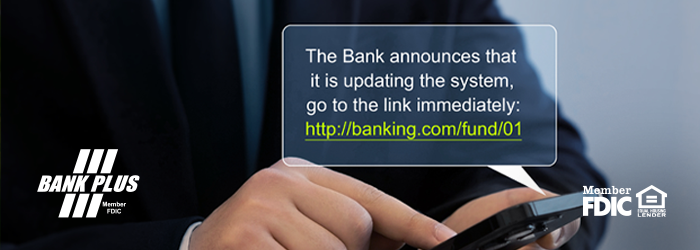
Digital banking isn’t new, but the way fraud happens, how accounts are protected, and what customers are responsible for has shifted in meaningful ways over the past year. In 2026, security isn’t just about strong passwords or spotting obvious scam emails. It’s about understanding how criminals are adapting, how banks are responding, and what everyday habits still matter most.
For customers, the good news is this: banking security has quietly gotten stronger. Behind the scenes, banks are using better tools to spot suspicious behavior faster and stop fraud earlier. At the same time, scams have become more convincing and more targeted, which means staying informed matters just as much as ever.
Here’s what’s changed in digital banking security and what you should keep an eye on this year.
The Biggest Shift: Smarter Fraud Detection, Faster Intervention
In the past, fraud detection has focused heavily on single red flags: an unusual login, a large transfer, or a device change. In 2026, banks increasingly rely on patterns rather than one‑off events.
Instead of asking, “Is this transaction unusual?” modern systems ask:
- Does this behavior match how this account is normally used?
- Do the timing, device, and location make sense together?
- Has similar activity been flagged as fraud elsewhere?
This approach helps reduce false alarms while improving response time when something truly doesn’t look right.
What this means for customers:
You may see fewer unnecessary alerts, but when your bank does reach out, it’s more likely to be a valid, pressing concern. If you receive a security call or message, take it seriously and verify it through official channels.
Multi‑Factor Authentication Is No Longer Optional
Multi‑factor authentication (MFA) isn’t new, but in 2026 it’s become a baseline expectation rather than an added layer. Many banking platforms now require more than just a password for certain actions, such as:
- Logging in from a new device
- Sending external transfers
- Changing contact information
- Recovering account access
Biometrics, one‑time passcodes, and app‑based confirmations are now standard tools to help ensure the person accessing an account is actually the account holder.
What this means for customers:
If you haven’t reviewed your authentication settings recently, now is a good time. Make sure your phone number and email address are current so security prompts don’t delay access — or worse, go to the wrong person.
Scam Tactics Are More Personal — and More Believable
Fraudsters are no longer relying on generic mass emails alone. Today’s scams often use personal details pulled from public records, social media, or previous data breaches. Messages may reference:
- A real business you work with
- A recent purchase or application
- A familiar name or location
Some scams now unfold over several steps instead of arriving as a single obvious request. For example, a text message may prompt you to “confirm activity,” followed by a call asking you to “secure” your account.
A key reminder:
A legitimate bank will never ask for your full password, online banking PIN, or one‑time security codes. When in doubt, stop the interaction and contact your bank directly using a trusted number or website.
Real‑Time Payments Bring Speed — and Shared Responsibility
Faster payment options offer convenience, but they also shrink the time window to reverse fraudulent activity. In 2026, many scams rely on urgency: convincing someone to move money quickly, before there’s time to think or verify.
How to protect yourself:
- Pause before sending money, especially when pressure or secrecy is involved
- Confirm requests through a second method (a phone call or in‑person conversation)
- Treat unexpected payment instructions as suspicious, even if they appear familiar
Speed should never replace certainty.
Account Takeovers Are a Larger Focus Than Ever
Rather than stealing money in a single transaction, many fraud attempts now aim to quietly take accounts over. Criminals now frequently change contact details, reset passwords, or add new payment recipients before moving money.
What customers can do:
- Review account activity regularly, not just balances
- Watch for small changes, such as updated contact information you didn’t request
- Report anything unusual right away, even if no money is missing
Early reporting can make all the difference. When in doubt, give your bank a call.
Why Local Financial Institutions Still Matter
As digital tools evolve, human support remains essential, especially when something goes wrong. One advantage of banking with a community institution is having real people who understand local customers and can act quickly when issues arise.
Security isn’t just about technology. It’s about accountability, clear communication, and having a trusted place to turn when you need help. If you have questions about potential fraud or protecting your finances, the team at Bank Plus is here to help. Come in and see us today or contact our team with any questions.
Find a BankPlus Location Near You
Practical Steps to Strengthen Your Digital Banking Security
Even though financial fraud is becoming more sophisticated, you can still stop it with simple, intentional actions. A few consistent habits go a long way:
- Use strong, unique passwords for banking accounts
- Keep your devices and apps updated
- Avoid clicking links from unsolicited messages
- Verify requests before sharing information or moving money
- Contact your bank immediately if something feels off
Security works best when banks and customers stay engaged together. When you guard your accounts against security breaches and make a habit of connecting with your bank, you’re building a solid defense network against scammers.
Learn More About Secure Online Banking
Final Thoughts
Digital banking in 2026 is safer than ever — but it’s also more complex. Criminal tactics continue to evolve, often relying on distraction, urgency, or trust rather than technical skill.
Staying informed, slowing down when something feels rushed, and knowing how your bank communicates with you can help protect what matters most. And when questions come up, having a trusted banking partner makes all the difference.
If you’d like help reviewing your security settings or have concerns about online banking safety, the team at Bank Plus is always available to talk through your options.
Frequently Asked Questions
How can I tell if a message is really from my bank?
Look for consistency with how your bank normally communicates and never rely on links or phone numbers included in unexpected messages. When in doubt, contact your bank directly using official contact information.
Are mobile banking apps safe to use?
Yes, provided they’re downloaded from official app stores and kept up to date. Using device passcodes, biometric locks, and MFA adds important protection.
What should I do if I think my account has been compromised?
Contact us immediately. The sooner potential fraud is reported, the more options you have to secure your account and limit your losses.
Why do banks sometimes block transactions I recognize?
Security systems may flag transactions that don’t match usual patterns. While this can be inconvenient, it’s designed to protect your account when something truly unusual occurs.
Does changing my password really make a difference?
Yes. Regularly updating passwords — especially after a breach or suspicious activity — helps reduce the risk of account takeover.