
QR Codes, Fake Texts, and “Too-Good” Offers: Modern Scam Tactics to Watch For
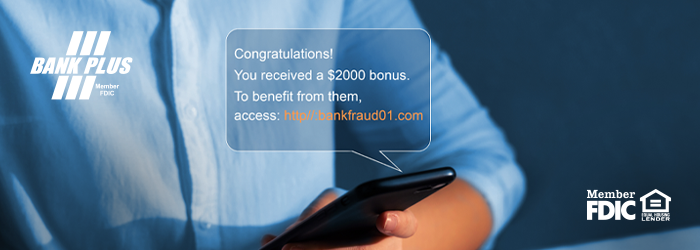
Scammers are constantly finding new ways to make fake messages, websites, and offers appear legitimate. From fraudulent QR codes and suspicious text messages to deals that seem too good to be true, today's scams are becoming increasingly convincing.
Many scams create a sense of urgency or excitement to encourage quick action before people have time to verify the request. Because fraud affects millions of Americans each year, awareness remains one of the best ways to protect your personal and financial information. Understanding common scam tactics can help you recognize warning signs, avoid becoming a victim, and stay safer online.
Quick Navigation
- What Are QR Code Scams?
- The Rise of Fake Text Message Scams
- Why "Too Good to Be True" Offers Still Fool People
- Red Flags That Should Never Be Ignored
- What to Do If You Think You've Been Targeted
- Simple Ways to Protect Yourself from Modern Scams
- How Bank Plus Helps Customers Stay Safe
- Frequently Asked Questions
What Are QR Code Scams?
QR code scams occur when criminals use QR codes to direct victims to fake websites, payment pages, or login screens designed to steal personal or financial information.
Many people scan QR codes without thinking twice because they're commonly used for payments, promotions, and account access. Scammers take advantage of that trust by creating fake QR codes and placing them over real ones or sharing them through emails, text messages, and social media.
After scanning a fraudulent code, users may be directed to a website that looks legitimate and asked to provide usernames, passwords, debit card information, or other sensitive details.
Common QR Code Scams Include:
- Fake payment QR codes at parking meters or kiosks
- Fraudulent package delivery notices
- QR codes claiming you've won a prize
- Fake online banking login pages
- Promotional offers requiring account verification
Before scanning a QR code, consider where it came from and whether the request seems authentic.
How to Stay Safe When Using QR Codes
While QR codes can be convenient, it's important to use caution before scanning them.
- Check for stickers that appear to be placed over an existing QR code.
- Preview the website URL before entering any information.
- Only scan QR codes from trusted sources.
- Avoid entering banking credentials or payment information on unfamiliar websites.
- If something seems suspicious, access the organization's website directly instead of using the QR code.
The Rise of Fake Text Message Scams
Text message scams, often called smishing scams, use messages that appear legitimate to trick people into clicking links, sharing personal information, or sending money.
Because text messages often feel immediate and personal, scammers use them to create urgency and encourage quick action. A fake banking text may claim suspicious activity has been detected on your account and instruct you to click a link immediately.
The goal is to get you to act before verifying whether the message is genuine.
Many smishing messages are designed to look like legitimate communications from banks, delivery companies, government agencies, or online retailers. For example, a message may state:
- "Your debit card has been temporarily locked. Click here to verify your account immediately."
These messages often look convincing, but their goal is to create urgency and encourage quick action before you have time to verify the request.
Common Smishing Tactics
Smishing can involve:
- Alerts claiming your debit card has been locked
- Messages stating your account will be suspended
- Fake banking alerts requesting verification
- Requests to confirm personal information
- Notices about unauthorized purchases
- Delivery notifications containing suspicious links
- Messages promising rewards or cash incentives
These messages can sometimes appear within existing text conversations, making them even more convincing.
Signs a Text Message May Be Fake
Watch for messages that:
- Create panic or urgency
- Request passwords, PINs, or verification codes
- Contain unusual links or shortened URLs
- Include spelling or grammatical errors
- Promise rewards for immediate action
- Come from unfamiliar phone numbers
Legitimate financial institutions generally do not request sensitive login information through text messages. When in doubt, contact your bank directly using verified contact information.
Related Reading: Digital Banking Security
Why "Too-Good-to-Be-True" Offers Still Work
Scammers frequently use unrealistic offers to encourage excitement or financial stress.
Common examples include:
- Guaranteed investment returns
- Free gift cards or products
- Surprise prize winnings
- Debt elimination programs
- Exclusive rewards
- Limited-time cash bonuses
Scammers often use emotions such as excitement, hope, curiosity, or financial stress to influence decision-making. By making offers appear exclusive or time-sensitive, they encourage people to act before taking time to research the opportunity. A few extra minutes of verification can help prevent costly mistakes.
These offers often appear on social media, websites, emails, and text messages.
By creating a sense of urgency, scammers encourage people to act quickly without researching the offer. A simple rule can help: if an offer sounds unusually generous and requires immediate action, take extra time to verify it.
Before responding, research the organization involved and confirm the offer through official sources.
Red Flags That Should Never Be Ignored
Although scams take many forms, they often share similar warning signs.
Requests for Sensitive Information
Be cautious if someone asks for:
- Online banking credentials
- Passwords
- PIN numbers
- Security question answers
- One-time verification codes
- Social Security numbers
Legitimate organizations generally use secure methods to handle sensitive information.
Pressure to Act Immediately
Scammers often create a false sense of urgency with messages such as:
- "Your account will be locked."
- "Immediate payment required."
- "Final warning before suspension."
- "Respond now to avoid penalties."
Pressure is often used to prevent victims from taking time to verify a request.
Unusual Payment Methods
Requests for payment through gift cards, cryptocurrency, wire transfers, or peer-to-peer payment apps should be treated with caution.
Suspicious Links and QR Codes
Avoid clicking links or scanning QR codes from unknown sources. Always verify website addresses before entering personal information.
What to Do If You Think You've Been Targeted
If you suspect a scam, stop interacting with the sender and contact your bank through verified channels as soon as possible.
1. Stop Communicating
Do not reply to suspicious texts, emails, or messages.
2. Avoid Additional Links
If you have not clicked a link, do not do so.
3. Change Passwords
If you entered login information on a suspicious website, update your passwords immediately.
4. Monitor Your Accounts
Review account activity for unauthorized transactions or unusual changes.
5. Report the Incident
Contact our team promptly if you believe your information may have been compromised.
6. Save Information
Keep screenshots, messages, emails, or website details that may assist with an investigation. For assistance, visit our Contact Us page.
Simple Ways to Protect Yourself From Modern Scams
Banking fraud prevention starts with good digital habits.
Verify Before You Trust
If a text, email, or phone call claims to be from a financial institution, verify it first.
Enable Security Features
Take advantage of available security tools through your bank.
Protect Sensitive Information
Never share passwords, PINs, or authentication codes through unexpected messages.
Keep Devices Updated
Software updates often include important security protections.
Monitor Accounts Regularly
Review transactions frequently and report suspicious activity immediately.
Educate Family Members
Older adults, teenagers, and anyone less familiar with technology can benefit from learning about common fraud tactics.
How Bank Plus Helps Customers Stay Safe
Protecting customer information is a responsibility we take seriously.
We work to help customers recognize potential threats through security tools, account monitoring, fraud awareness education, and customer support resources. We also encourage customers to practice safe online and mobile banking habits and remain cautious of suspicious communications claiming to represent financial institutions.
If something doesn't seem right, we would much rather you contact us and verify a message than take unnecessary risks.
Learn More Through Our Security Center
Frequently Asked Questions
What is a QR code scam?
A QR code scam uses a fraudulent QR code that directs users to fake websites designed to steal personal, financial, or login information.
Are QR codes safe to scan?
Many QR codes are legitimate, but users should only scan codes from trusted sources and verify websites before entering information.
What is a smishing scam?
A smishing scam is a text message fraud scheme that attempts to trick recipients into clicking malicious links or sharing confidential information.
What should I do if I clicked a suspicious link?
Stop interacting with the website, change any compromised passwords, monitor your accounts, and contact your bank if sensitive information was shared.
Will a bank ask for passwords by text message?
Financial institutions generally do not request passwords, PINs, or login credentials through unsolicited text messages.
Can scammers make a text or phone call appear to come from my bank?
Yes. Scammers can sometimes use technology that makes a phone number or text message appear to come from a legitimate organization. If you receive a suspicious call, text, or email, contact your financial institution directly using a verified phone number or official website before taking any action.
How can I verify whether a banking message is legitimate?
Contact your financial institution directly using a verified phone number or official website rather than using links provided in the message.
What are common warning signs of fraud?
Common red flags include urgent requests for action, unexpected links, demands for sensitive information, suspicious QR codes, unrealistic offers, and pressure to respond quickly.